
Phobos Ransomware Attack: The Brutal RDP Threat
The most dangerous ransomware threat to your SMB this year wasn’t a zero-day exploit. It was a misconfigured RDP connection that handed your network over to a Phobos affiliate. While high-profile breaches grab the headlines, Phobos quietly grinds through small-to-midsized businesses using a manual, persistent approach that standard defenses often miss.
The default port for RDP. It is the single most targeted entry point for Phobos affiliates scanning the internet today.
Phobos isn’t just malware; it’s a manual intrusion process that turns your own administrative tools against you.
What You’ll Learn
- Why the manual “two-step” decryption process doubles downtime.
- The link between Phobos payloads, 8Base, and Space Bears.
- How RDP brute force drives the majority of initial access.
- Why the 2024 Japanese Police decryptor won’t save you today.
- Actionable SOC rules to catch interactive affiliate sessions.
The Phobos Ransomware-as-a-Service Model
A Phobos ransomware attack operates on a Ransomware-as-a-Service (RaaS) model where core developers supply the malware to independent affiliates. These affiliates breach networks—typically via exposed RDP ports—steal sensitive data, and manually deploy the Phobos ransomware locker to extort victims twice.
Think of it as a franchise model. The core developers maintain the “brand” and the code, while dozens of splinter groups—like the aggressive 8Base group—do the actual dirty work. This decentralization makes the threat incredibly persistent; you aren’t fighting one group, you’re fighting an ecosystem.
The Technical Lifecycle: RDP to Exfiltration
Affiliates don’t burn million-dollar exploits when they can walk through an unlocked digital front door. The Phobos playbook is built on simplicity and manual persistence.
Initial Access via RDP Brute Force
The vast majority of infections start with Remote Desktop Protocol (RDP). Attackers scan for port 3389 and use automated tools to guess credentials. If RDP isn’t an option, they pivot to spearphishing via SmokeLoader.
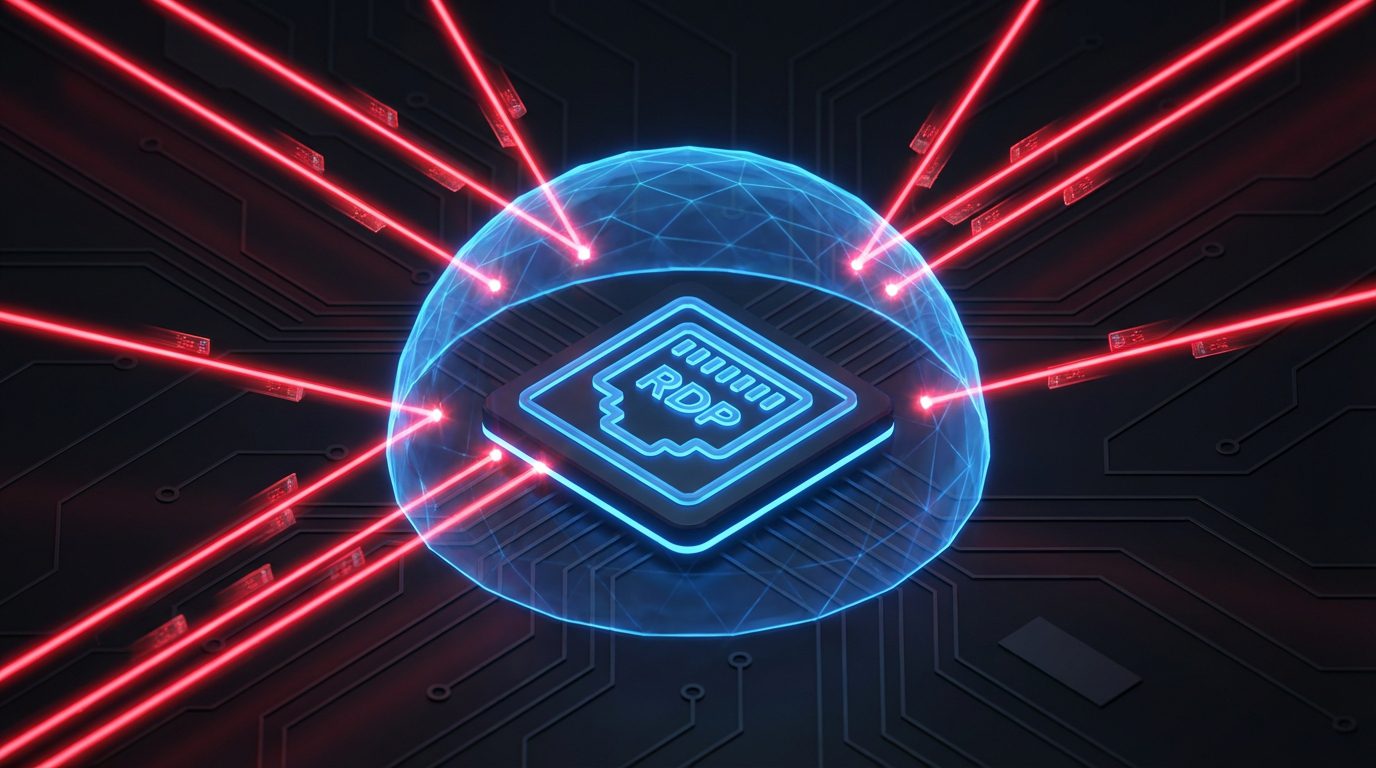
Visualizing the brute force entry attempt via exposed RDP ports.
Establishing Foothold and Lateral Movement
Once inside, Phobos ensures it survives a reboot by modifying Registry Run keys and adding itself to the Startup folder. They aim straight for the Domain Controller using tools like Bloodhound and Mimikatz.
Monitor HKEY_CURRENT_USER\Software\Microsoft\Windows\CurrentVersion\Run for unsigned executables. This is the primary hiding spot for Phobos persistence.
The “Two-Step” Encryption Trap
Unlike automated strains, Phobos is a manual grind. Affiliates often work via interactive RDP sessions, which is why recovery is so slow. Even if you pay, you receive a “Scanner” tool that must be run on every machine individually to generate unique keys.
Inhibiting Recovery: Deleting Shadow Copies
Before detonating the payload, affiliates execute commands to wipe your Volume Shadow Copies (VSS), destroying your local “quick-restore” options.
vssadmin.exe delete shadows /all /quiet
The Double Extortion Pivot
Affiliates now steal data before encrypting it, often using WinSCP to push files to Mega.io. If the decryption ransom isn’t paid, they demand a “leak fee” to keep your data off sites like Space Bears.
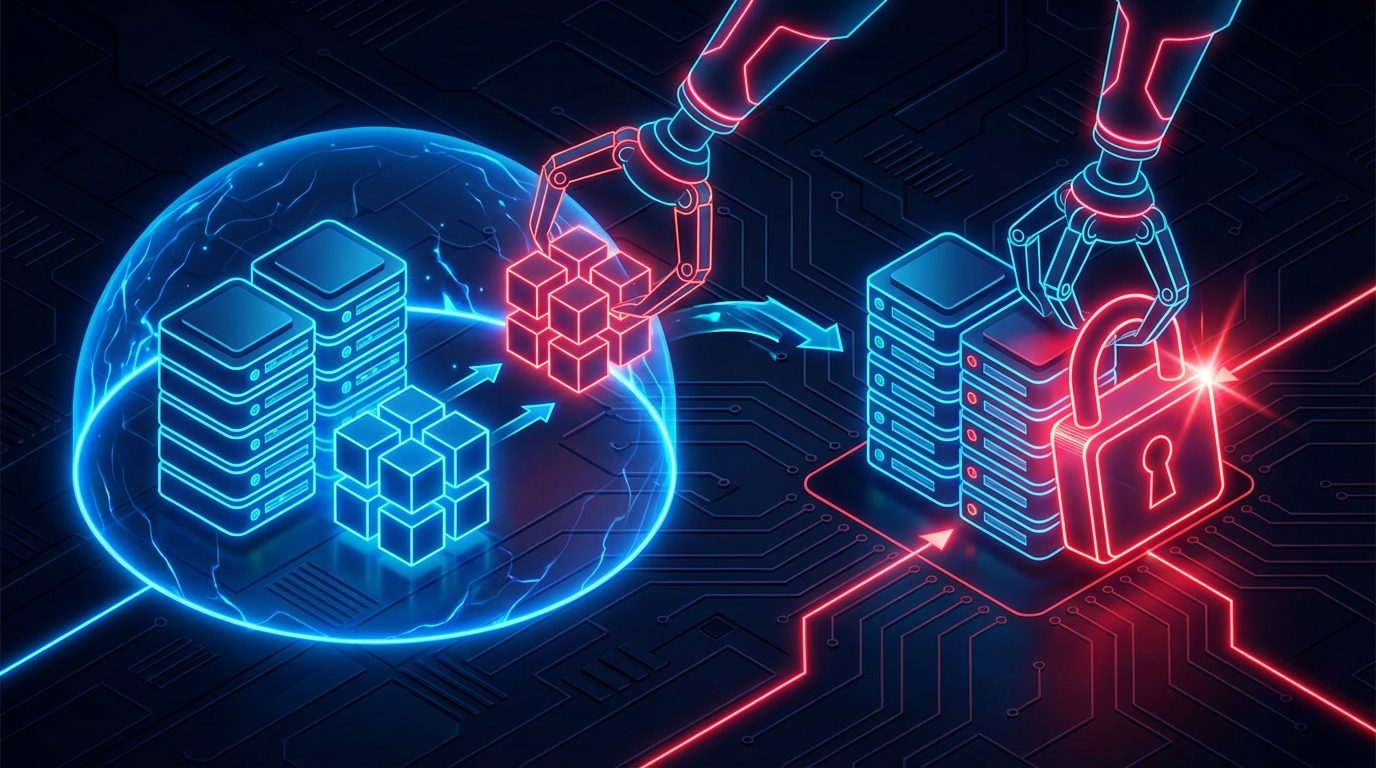
The double extortion cycle: Exfiltration first, encryption second.
Air-gapped backups save your uptime, but they don’t save your privacy. Encryption at rest is the only way to neutralize the threat of a leak site publication.
Why the 2024 Phobos Decryptor Fails Today
While the Japanese National Police Agency and the No More Ransom project released a tool in 2024, modern 2025 and 2026 variants have updated their AES-256/RSA-1024 schemas. Never rely on old tools for new threats.
Actionable Steps for Security Professionals
- Audit RDP Exposure: Use Shodan to find internet-facing port 3389.
- Hunt for Recon Tools: Alert on Angry IP Scanner or Advanced Port Scanner on non-admin endpoints.
- VSS Monitoring: Deploy Sigma rules to catch shadow copy deletion.
title: Suspicious Volume Shadow Copy Deletion
logsource:
    product: windows
    category: process_creation
detection:
    selection:
        Image|endswith: '\vssadmin.exe'
        CommandLine|contains|all: ['delete', 'shadows']
condition: selection
Basic Defenses for SMBs
- Disable RDP if not explicitly needed.
- Enforce MFA on every login, especially for EDR and backup consoles.
- Follow the 3-2-1 backup rule (3 copies, 2 media types, 1 offline).
Final Thoughts
If you aren’t watching your identity logs and RDP ports, you’re essentially waiting for a spot on a leak site. Shifting from reactive recovery to proactive identity management is the only way to survive the RaaS ecosystem.
Have you caught unauthorized scanning tools in your environment? Share your experience in the comments below.
Pingback: Summary of Microsoft SharePoint Zero-Day Vulnerability - The LaymanSecurity (theLS)